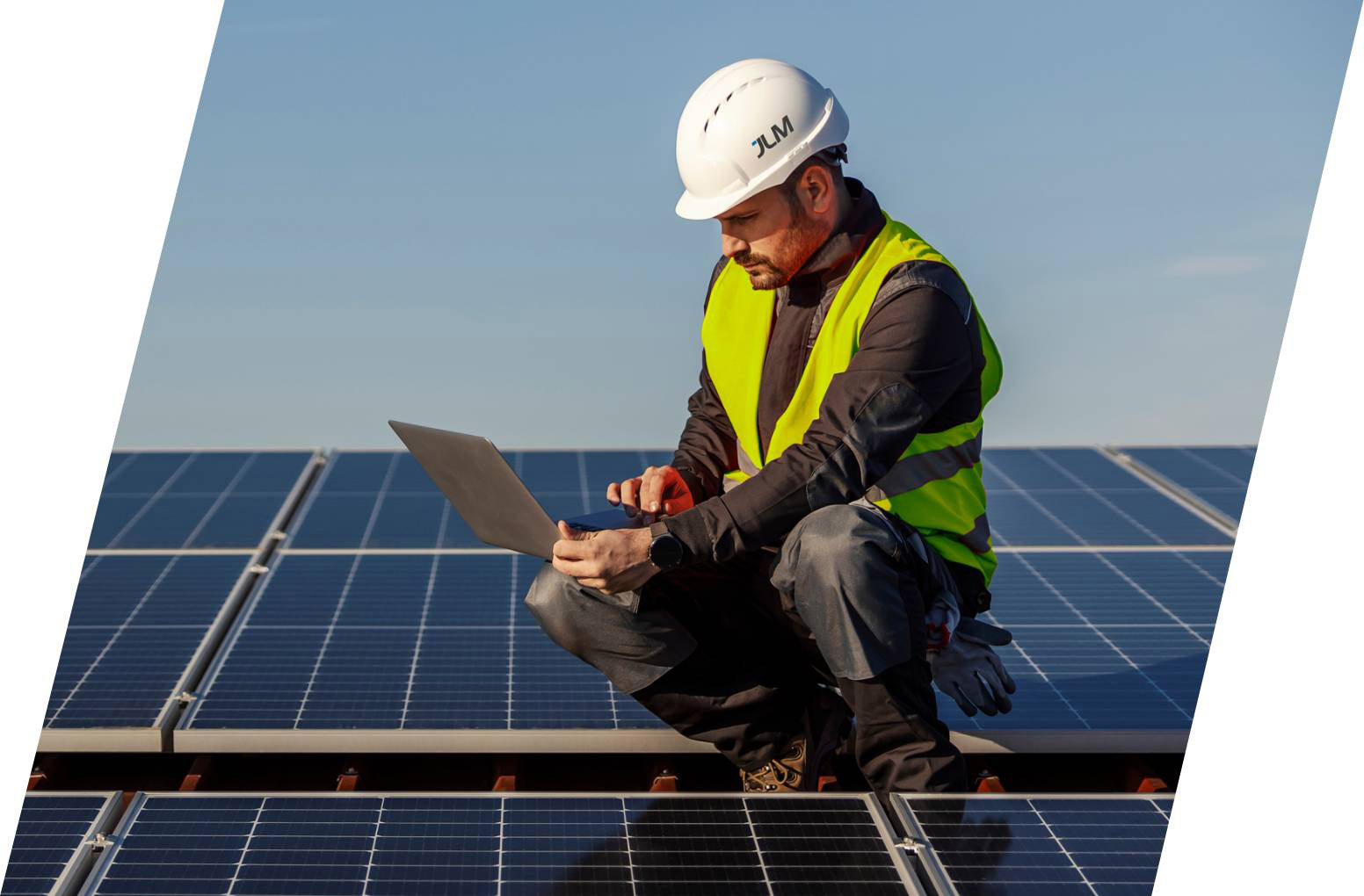
Can you put solar panels on farm
buildings
Yes, you can put solar panels
on farm buildings. In fact, it's a common and
effective way for farmers to generate renewable
energy, reduce electricity bills, and sometimes
even earn income by selling excess power back to
the grid. Solar panels can be installed on
rooftops of barns, sheds, and other outbuildings,
as well as on unused land. However, local
regulations, roof structure, and available
sunlight should be considered before installation
Do you need planning permissions
to put solar panels on agricultural land?
In many cases, you do need
planning permission to install solar panels on
agricultural land, especially for ground-mounted
systems. This is because the land use is being
changed from farming to energy generation.
However, roof-mounted solar panels on existing
farm buildings often fall under "permitted
development" and may not require planning
permission, depending on the size and location.
How can solar energy benefit
agricultural operations?
Solar energy can reduce energy
costs and power agricultural equipment and
machinery, reducing reliance on fossil fuels. By
adopting solar energy, farmers can lower operating
expenses, increase energy independence, and
promote sustainable farming practices. Solar
installations on agricultural land can provide an
additional revenue stream through net metering or
renewable energy credits.
How can heat pumps be used in
agricultural settings?
Heat pumps can provide
efficient heating for greenhouses, maintaining
optimal growing conditions for crops year-round.
Heat pumps can also heat livestock buildings,
ensuring a comfortable environment for animals. In
dairy farms, heat pumps can be employed for milk
cooling and pasteurisation processes.
Are heat pumps suitable for all
types of agricultural buildings?
Heat pumps can be suitable for
a wide range of agricultural buildings, but it's
important to assess each facility's specific
requirements. Factors such as the size of the
building, insulation levels, and the specific
heating and cooling needs of the crops or
livestock should be considered. Heat pumps can be
effectively used in greenhouses, livestock barns,
poultry houses, and other agricultural structures.
Proper sizing and installation are crucial to
ensure optimal performance and energy efficiency.
 Skip to content